While the rest of Europe was experimenting with cold steel, the Nordic countries remained steadfast in their dedication to natural materials, particularly local woods like birch and beech. Shaped by a harsh climate and long, dark winters, Scandinavian design prioritized the psychological warmth of the interior. The resulting furniture was deeply humane—unpretentious, structurally honest, and poetically curved.
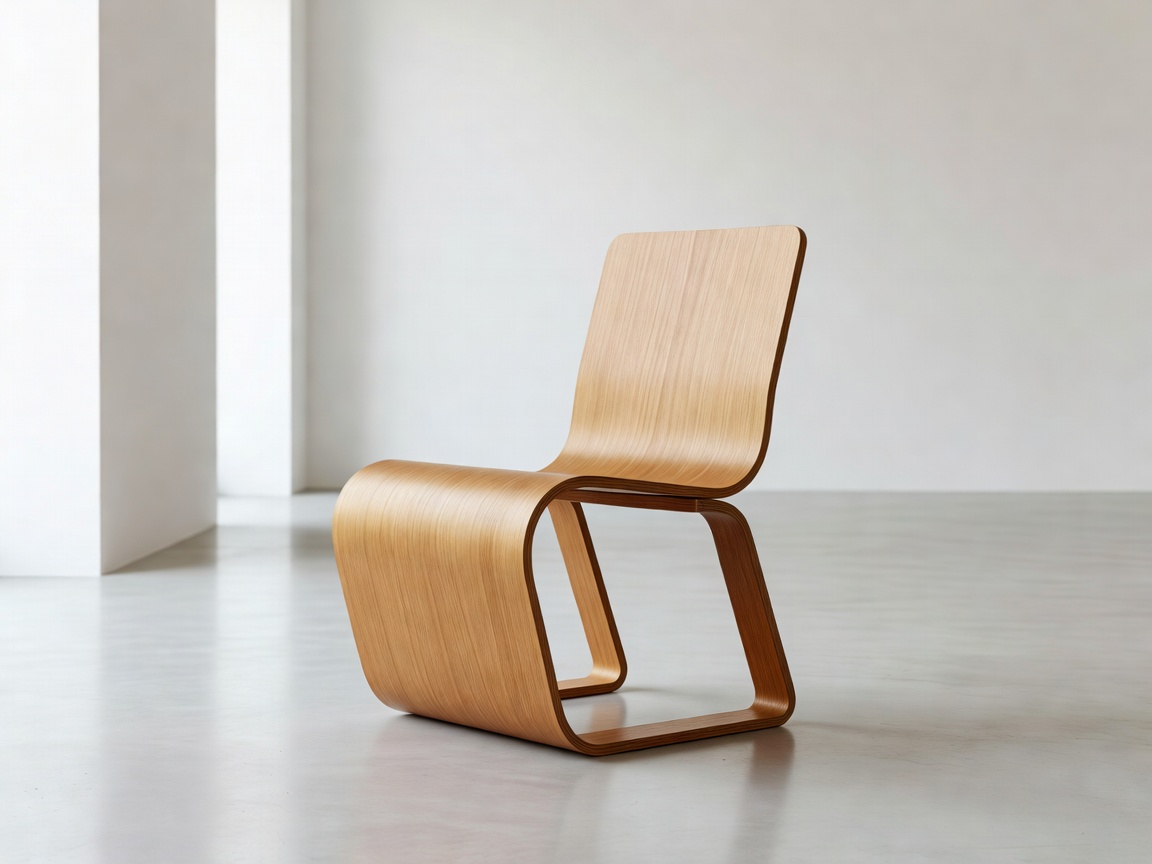
Alvar Aalto & The Paimio Chair
Designed in 1932 for the Paimio Sanatorium, Alvar Aalto rejected tubular steel in favor of bent birch plywood. He believed wood was psychologically warmer and acoustically softer for recovering tuberculosis patients. Its sweeping, scroll-like seat revolutionized wood manipulation.
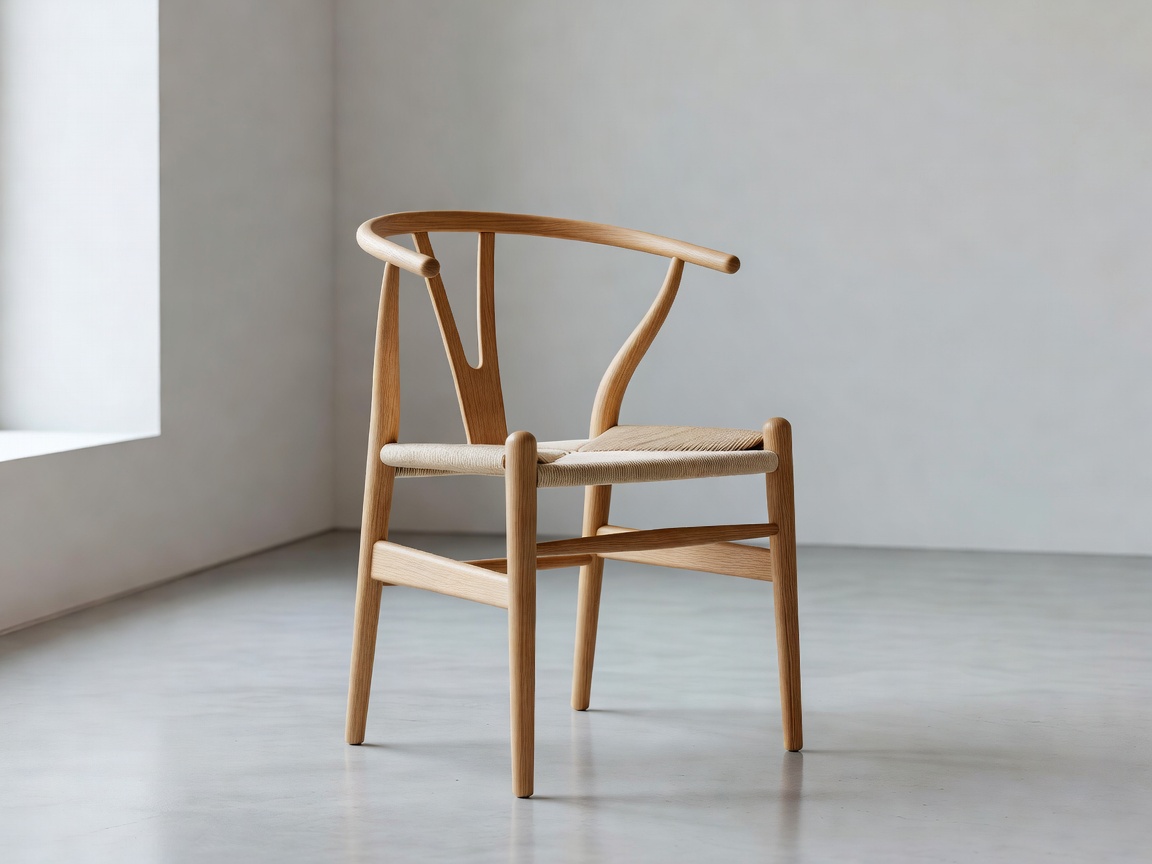
Hans Wegner’s Wishbone Chair
The CH24 Wishbone Chair (1949) perfectly distills historical reference into modernist simplicity. Inspired by Ming dynasty chairs, Wegner employed a distinctive Y-shaped back and a hand-woven paper cord seat, creating a lightweight yet incredibly durable masterpiece of joinery.
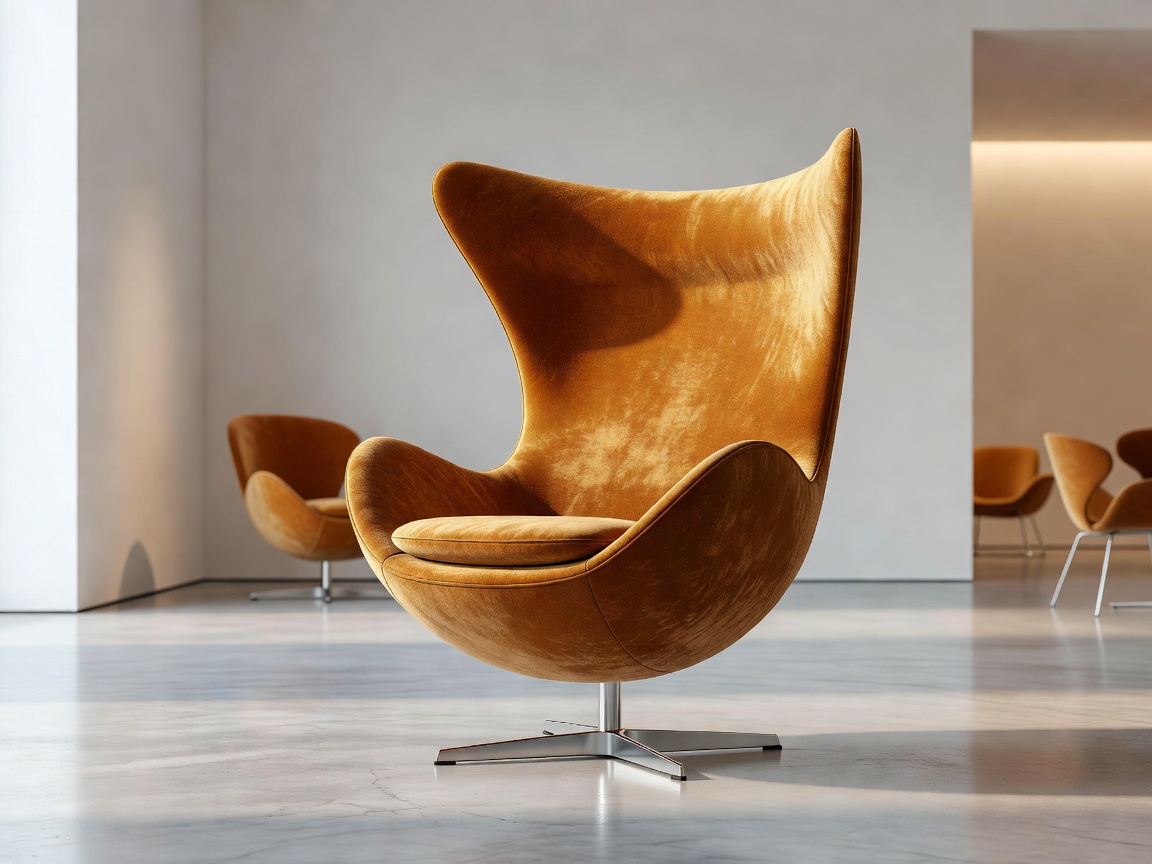
Arne Jacobsen & The Egg
Designed for the SAS Royal Hotel in Copenhagen (1958), Jacobsen's Egg Chair creates an architectural cocoon. Using a strong foam inner shell beneath the upholstery, it achieves compound curves that offer the sitter total privacy, functioning as a room within a room.
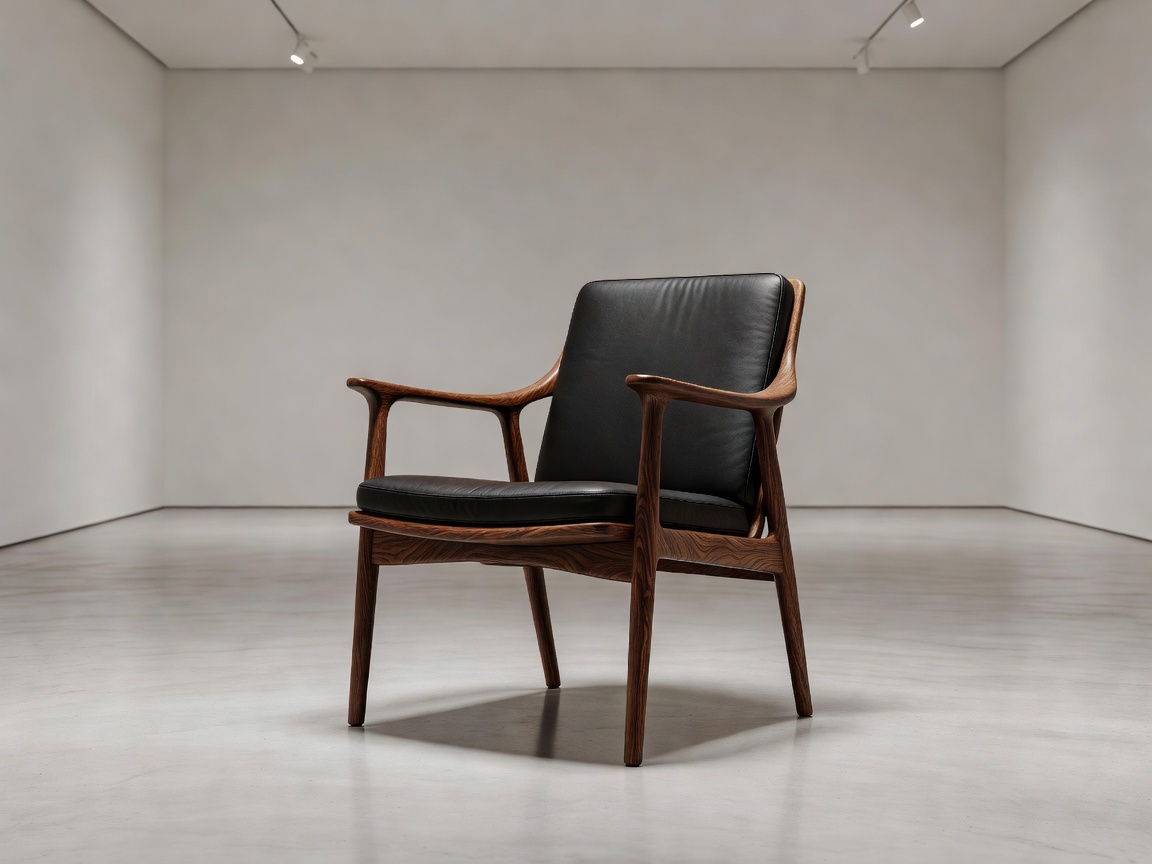
Finn Juhl's Expressive Teak
Finn Juhl broke from the strict functionalism of his Danish peers to create more expressive, sculptural forms. The Chieftain Chair visually separated the upholstered seating elements from the wooden frame, making the chair appear lighter and exposing the structural poetry of the teak framework.