Originating in Weimar and later Dessau, Germany, the Bauhaus school sought to bridge the chasm between fine art and industrial mass production. Instructors like Walter Gropius and Marcel Breuer viewed heavily ornamented, bourgeois furniture as intellectually dishonest. Instead, they embraced cold, honest materials—most notably tubular steel—translating the aesthetics of the bicycle and airplane into the living room.
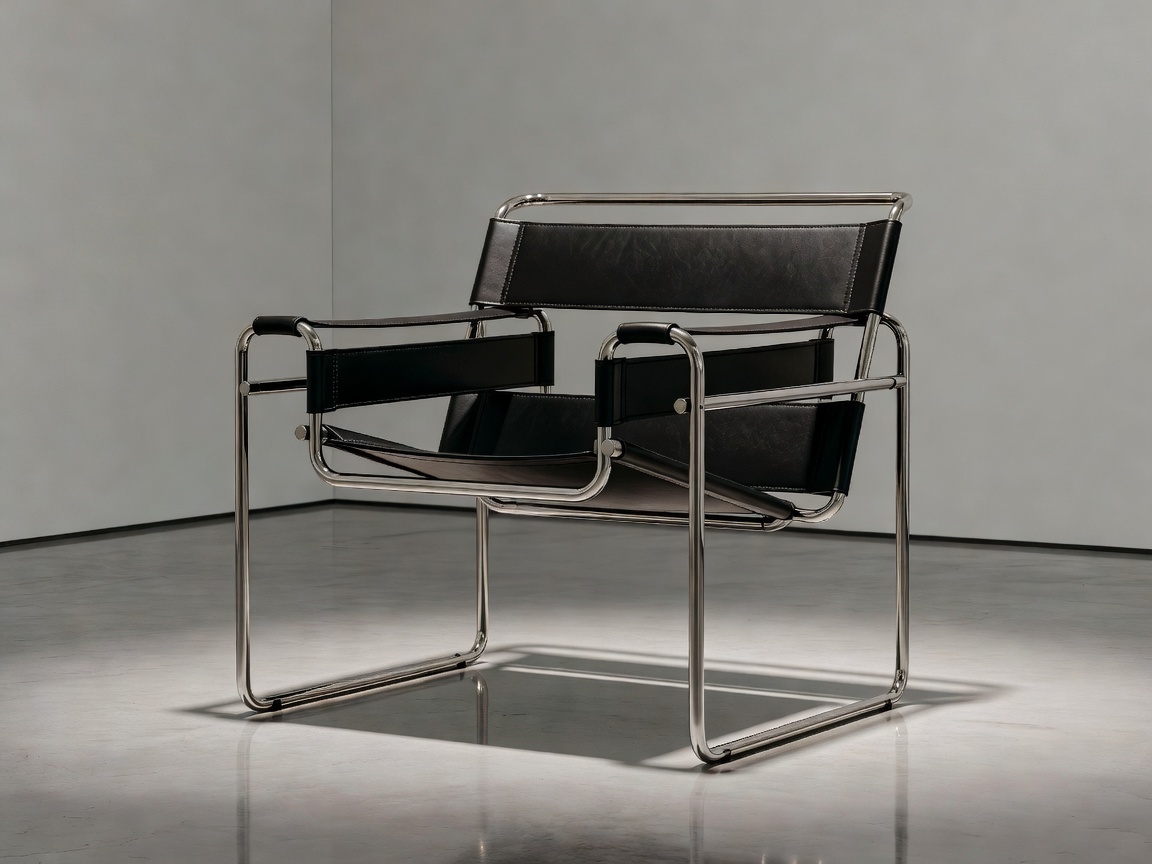
The Wassily Chair (Model B3)
Designed by Marcel Breuer in 1925, this piece radically deconstructed the traditional overstuffed club chair. Stripped down to its bare skeletal frame of nickel-plated tubular steel and taut Eisengarn (iron yarn), it was visually transparent, lightweight, and deeply uncompromising in its modernism.
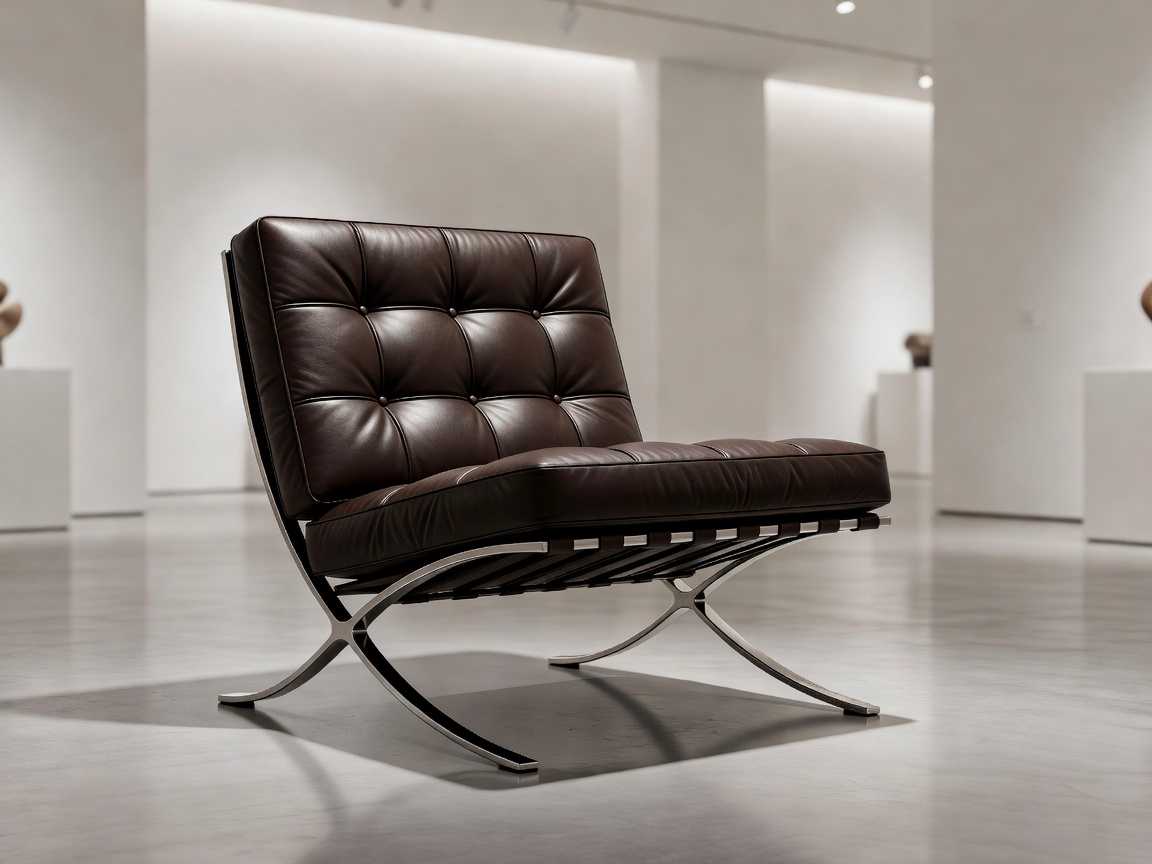
The Barcelona Chair (1929)
Created by Ludwig Mies van der Rohe and Lilly Reich for the German Pavilion at the International Exposition of 1929. Ironically, despite the Bauhaus ethos of mass-produced accessibility, the Barcelona Chair required exacting hand-craftsmanship to weld and polish its distinctive X-shaped frame, positioning it as an icon of modern luxury.
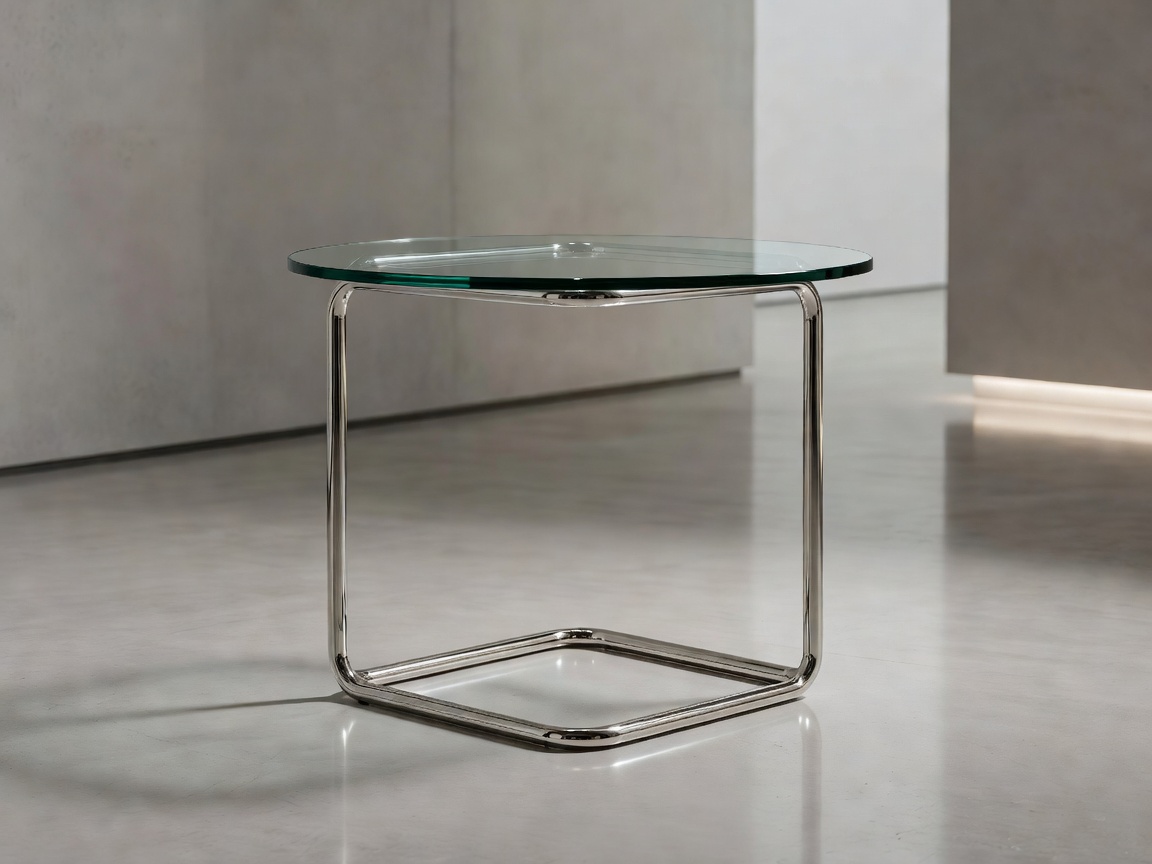
Eileen Gray & The E-1027 Table
Though independent of the official Bauhaus school, Eileen Gray's tubular steel and glass E-1027 side table (1927) shared its DNA. Designed to slide gracefully over a bed or armchair, its height-adjustable, open-ring base exemplifies the era's obsession with functional kinetics.
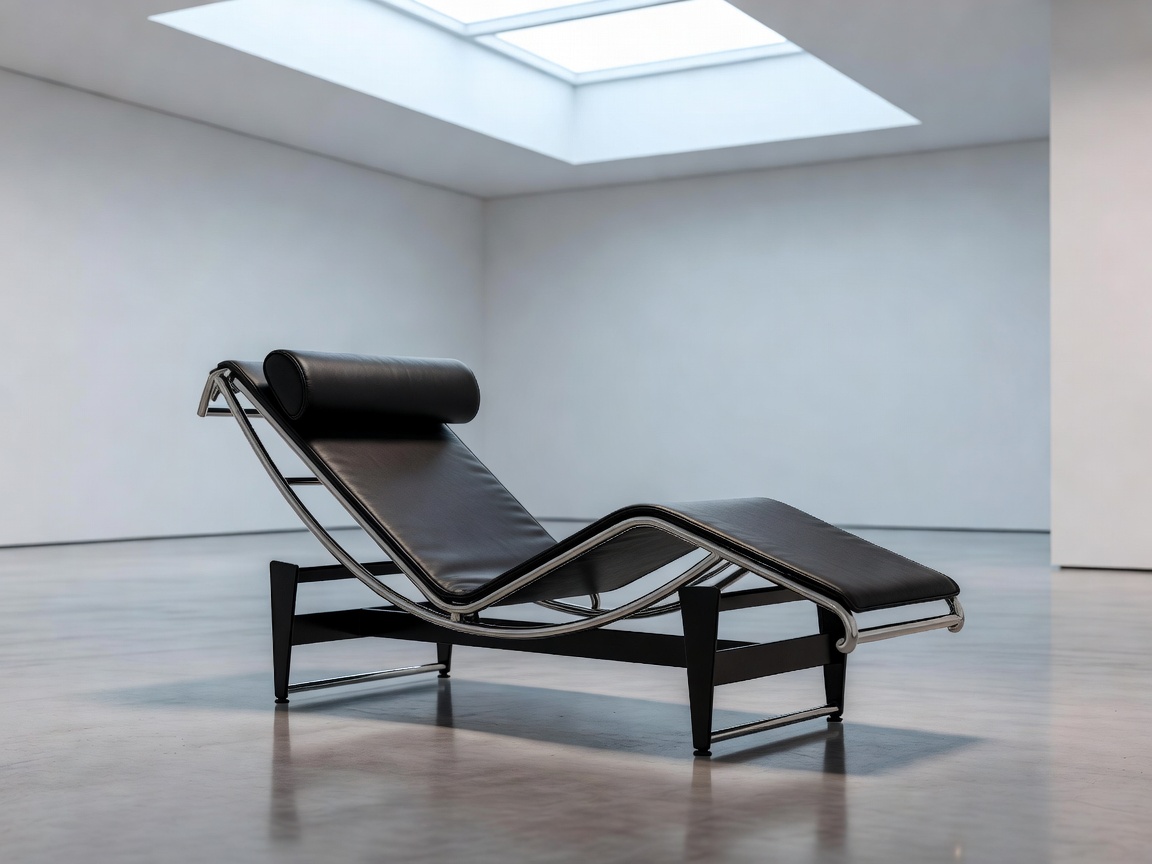
The LC4 Chaise Longue
Designed in 1928 by Le Corbusier, Charlotte Perriand, and Pierre Jeanneret, the LC4 was dubbed the "relaxing machine." Its sliding tubular steel frame allowed the user to adjust the angle of repose effortlessly, treating the human body as a mechanical component requiring ergonomic support.