Following the austere rationing of the Second World War, a profound shift occurred in domestic spaces. Designers sought to democratize good design, leveraging wartime technological advancements—such as molded fiberglass and bent plywood—to create fluid, organic forms that contoured to the human body rather than forcing the body to adapt to the furniture.
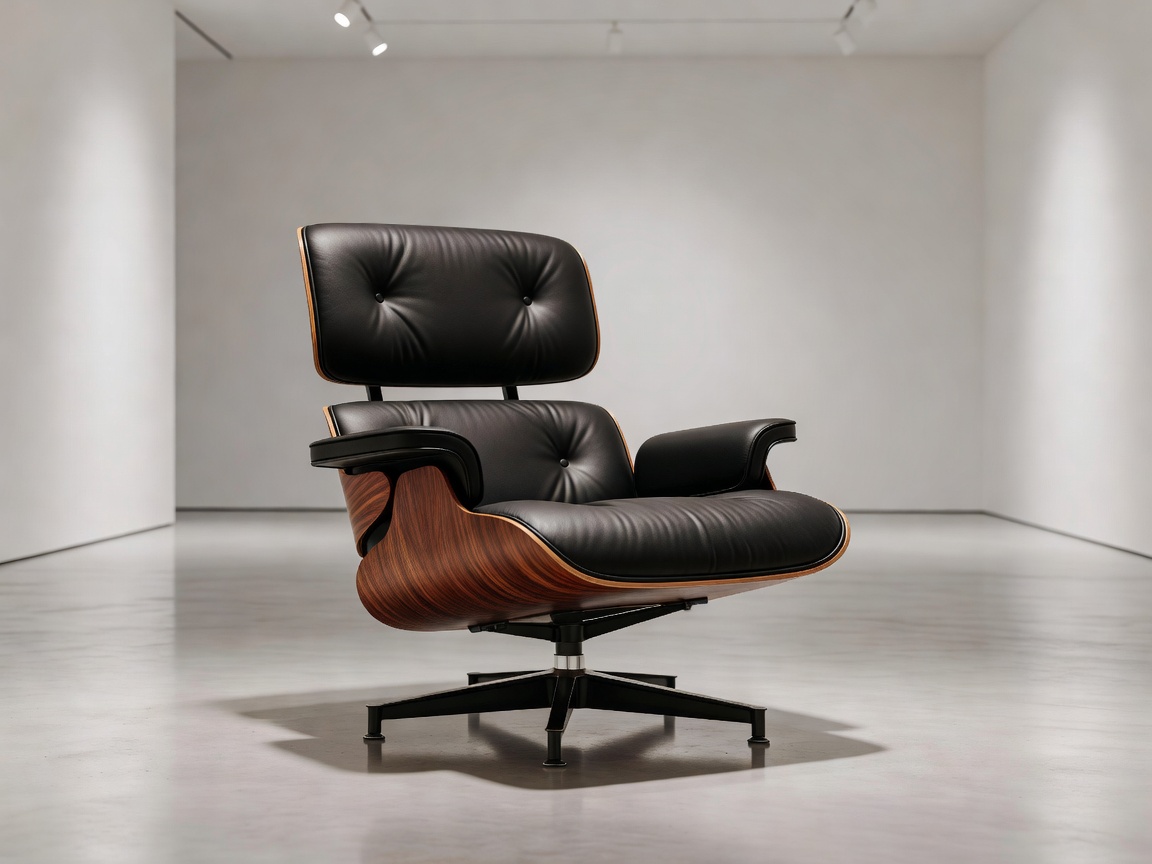
The Eames Lounge Chair (1956)
Designed by Charles and Ray Eames for the Herman Miller furniture company, this piece represents the pinnacle of mid-century luxury. By combining molded plywood shells with plush leather upholstery, the Eameses sought to create a chair with "the warm, receptive look of a well-used first baseman's mitt."
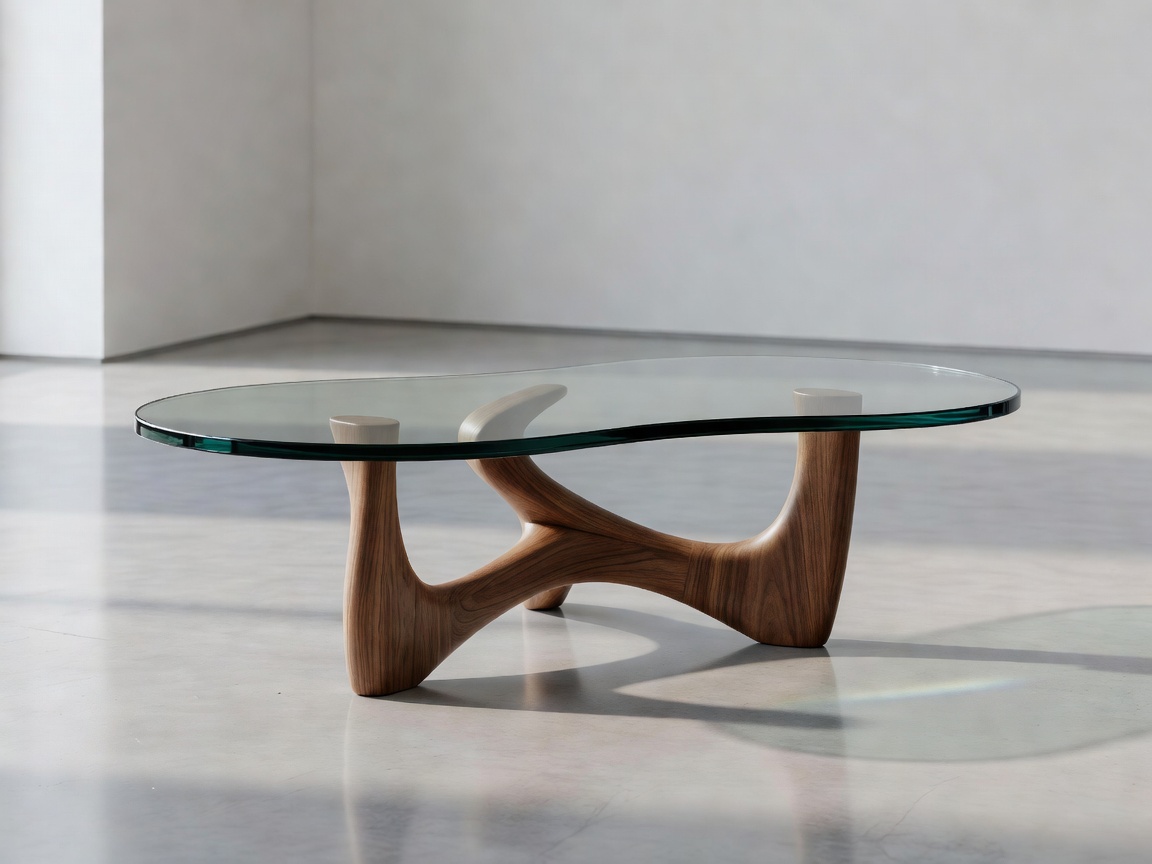
The Noguchi Table (1947)
Isamu Noguchi blurred the line between sculpture and utilitarian object. The table consists of just three elements: a thick, biomorphically shaped glass top resting on two interlocking pieces of solid wood. It perfectly embodies the era's fascination with organic form.
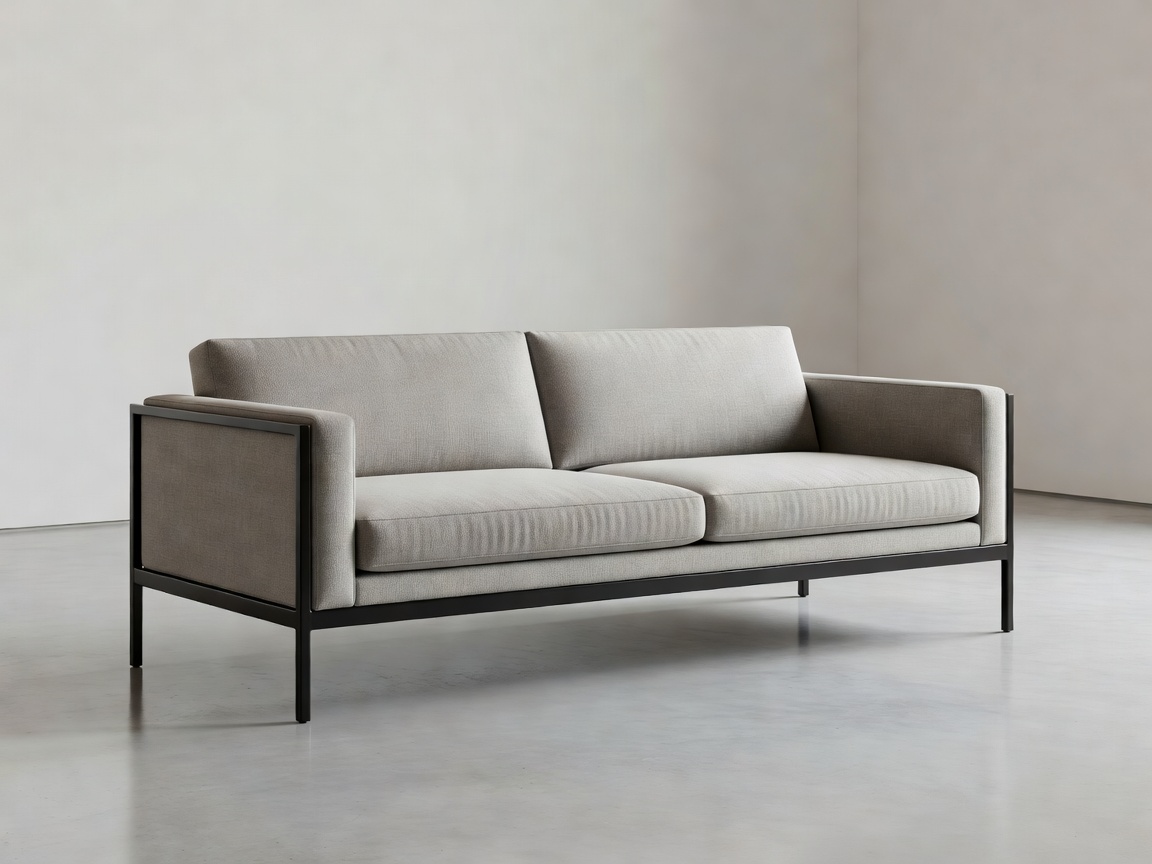
Florence Knoll's Rational Spaces
While the Eameses provided organic shapes, Florence Knoll brought a rational, almost architectural strictness to the mid-century office and home. Her pieces, scaled precisely to fit modern architecture, became the default aesthetic for corporate America in the 1960s.
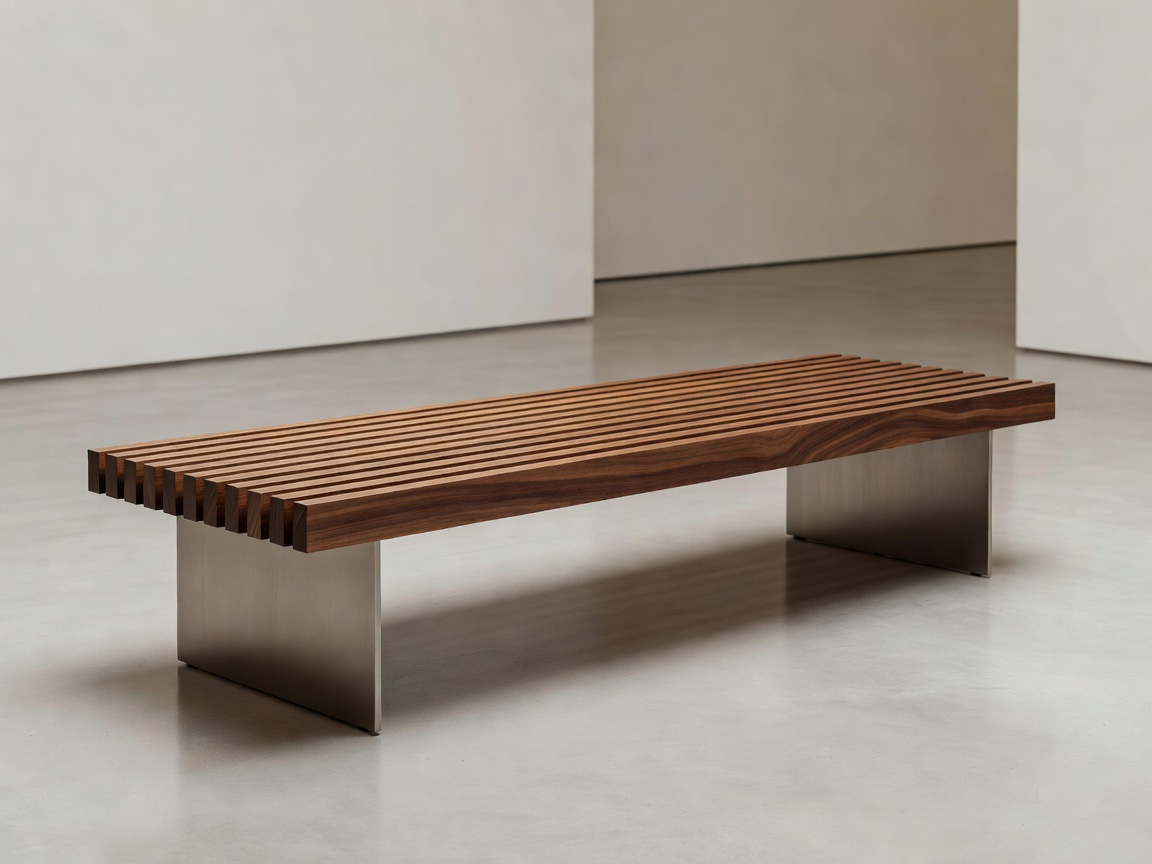
The Nelson Platform Bench (1946)
George Nelson's bench is a study in straight, honest lines. Functioning simultaneously as seating, a low table, or a base for storage cabinets, it championed modularity and multipurpose utility—core tenets of the mid-century philosophical approach.