Rising to prominence in the 1920s and roaring into the 30s, Art Deco was an intoxicating cocktail of contradictory influences. It worshipped the sleek, aerodynamic speed of the machine age (echoing the architecture of the Chrysler Building) while heavily referencing ancient Egyptian and Mesoamerican motifs. In furniture, this translated to severe geometry elevated by astonishingly luxurious materials.
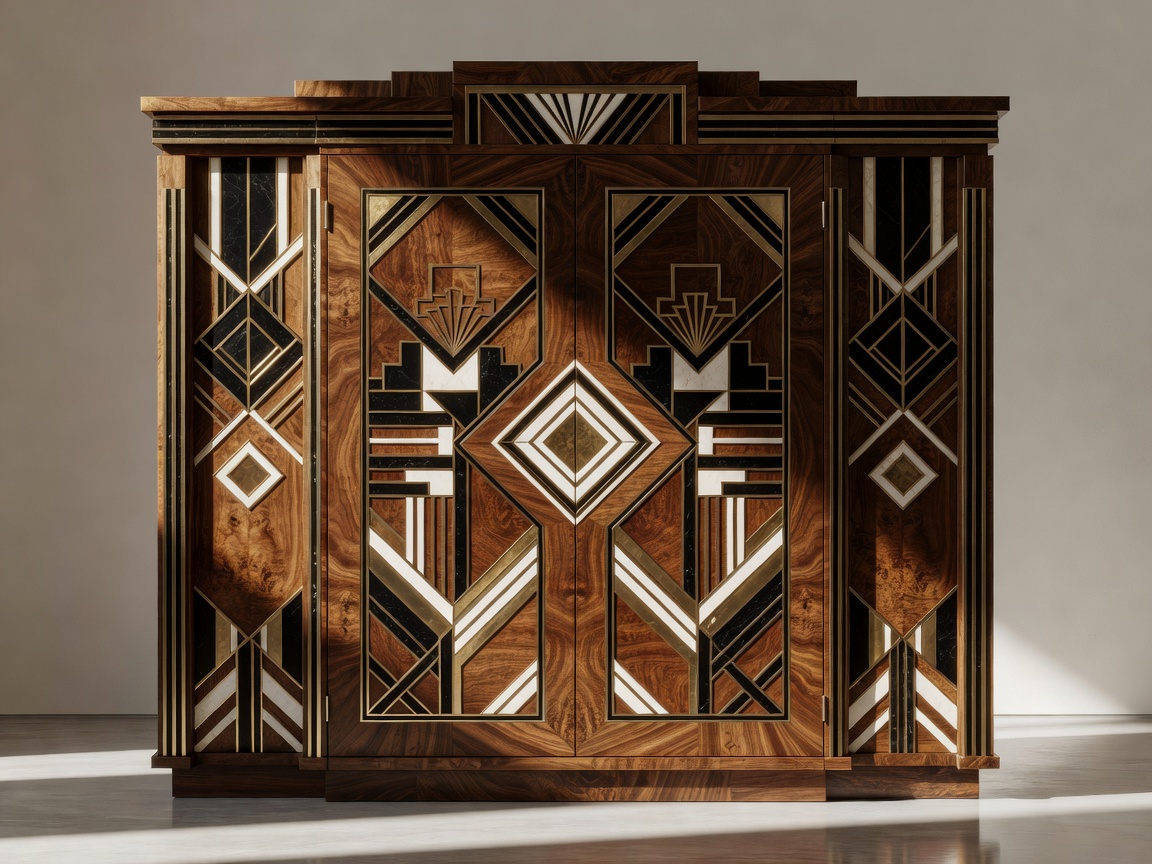
Exotic Veneers and Inlays
Designers like Émile-Jacques Ruhlmann eschewed industrial steel in favor of macassar ebony, burr walnut, ivory, and shagreen (ray skin). Furniture became sculptural masterpieces of cabinetmaking, utilizing high-gloss French polish to reflect light off severely angled surfaces.
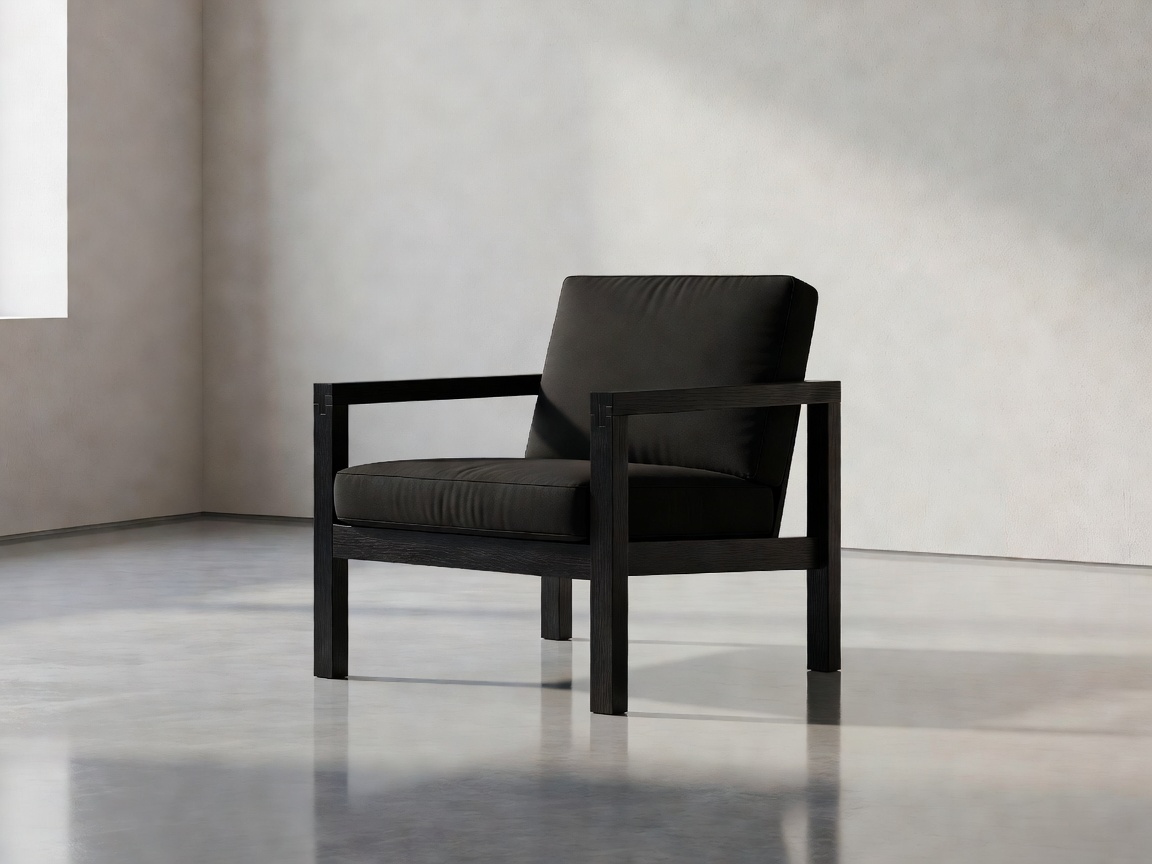
The Wiener Werkstätte Influence
Preceding the true Deco explosion, Josef Hoffmann and the Wiener Werkstätte laid the groundwork with rigid, grid-like geometry. The Kubus armchair (1910) demonstrated how strict mathematical squares could be transformed into plush, luxurious seating, heavily informing later Deco styling.
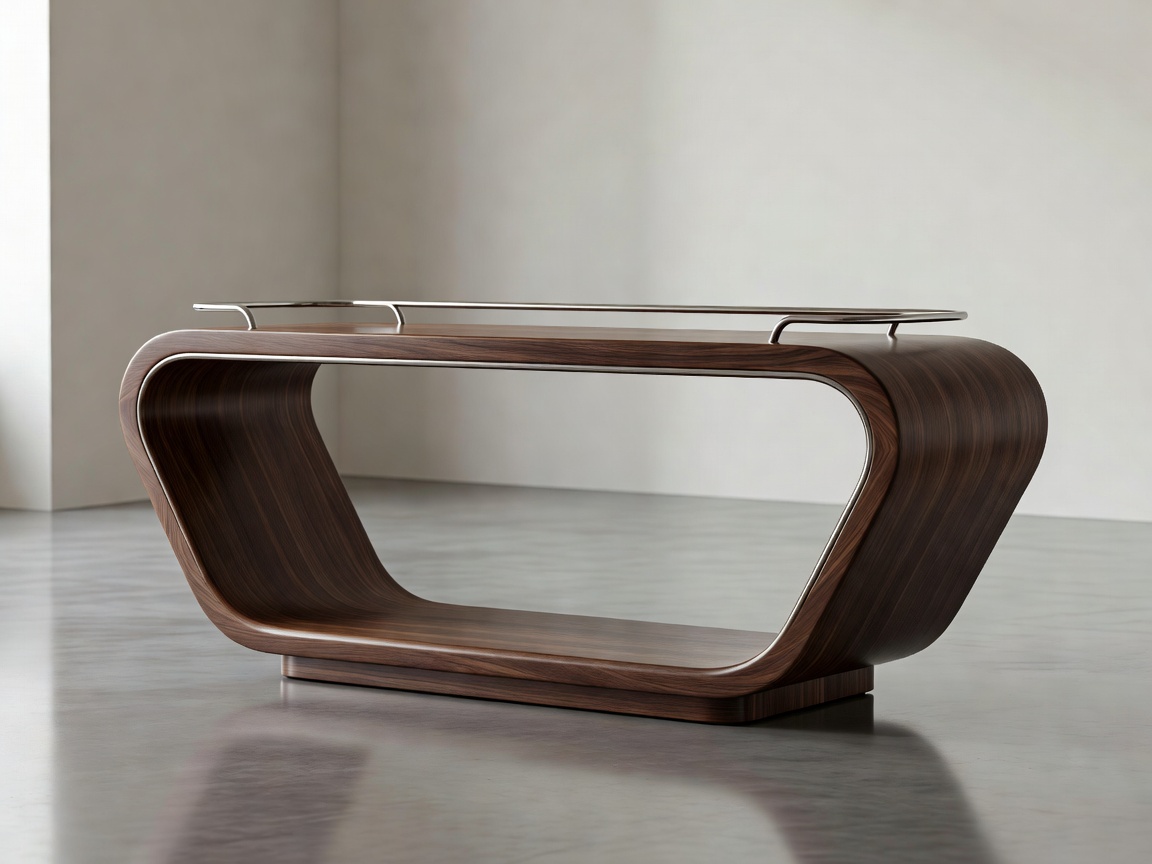
Streamline Moderne
As the movement progressed into the 1930s, the sharp zig-zags softened into Streamline Moderne. Furniture began to look aerodynamic, featuring teardrop forms, curved corners, and continuous lines of polished aluminum or chrome, mimicking the aesthetics of ocean liners and locomotives.
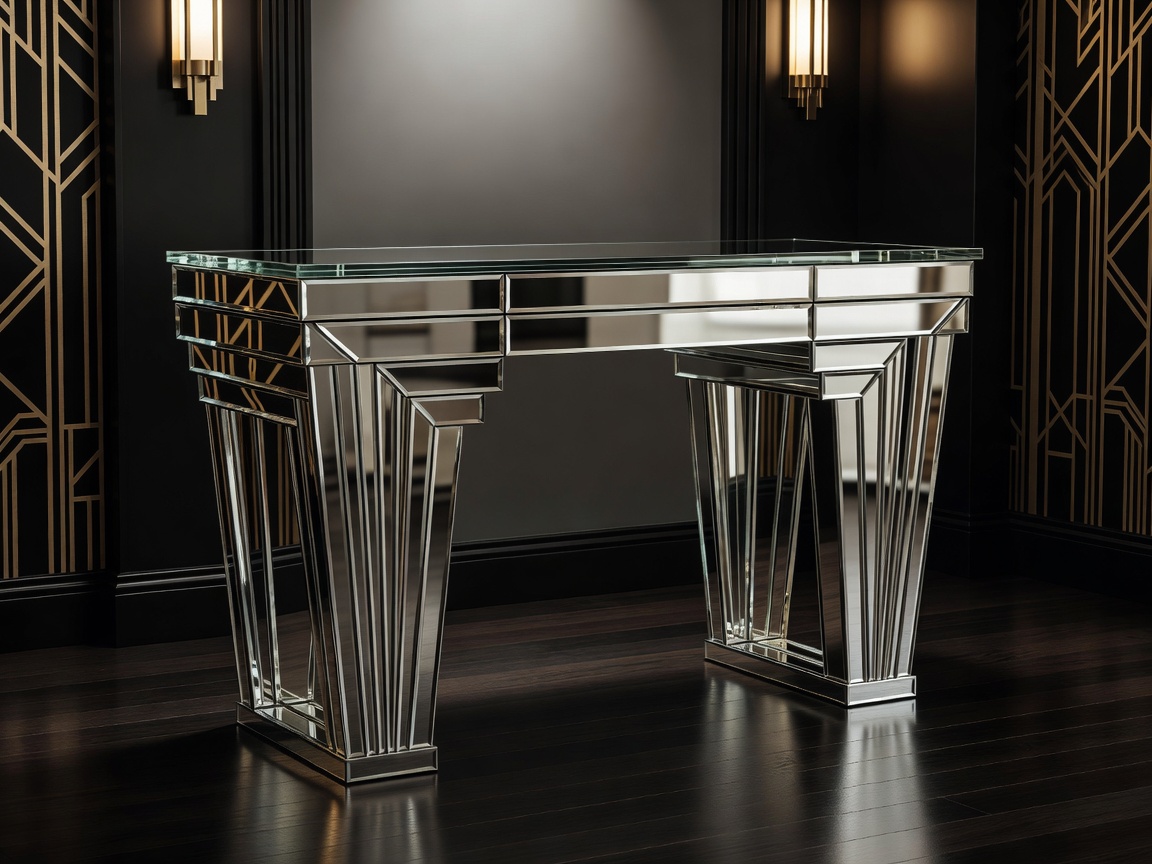
Mirrored Surfaces
To amplify the sense of glamour and light in opulent domestic interiors, mirrored furniture became highly sought after. Vanity tables and cocktail cabinets clad entirely in mirrored panels—often etched with geometric or stylized floral motifs—became status symbols of the era.